Denne guide findes ikke på dit sprog endnu, så her er den på engelsk.
Kort fortalt
- The YouTube banner, called channel art, is uploaded at 2560×1440 pixels, a 16:9 image.
- Televisions show the whole 2560×1440 image, while desktops show a wide strip across its middle and phones show a narrower slice.
- The area that is visible on every device is 1546×423 pixels in the centre of the image, so text and logos must sit inside it.
- The rest of the image is background that appears on larger screens, so it should extend the design rather than carry information.
- A channel banner works best when it matches the channel's thumbnails, so viewers recognise the look from the feed.
På denne side
The YouTube banner size is 2560×1440 pixels. That's the image you upload, and it's what a television shows. Desktops show only a wide strip across the middle, and phones show a narrower slice of that strip. The only part visible everywhere is a 1546×423 pixel area in the exact centre, so put your channel name, logo and any text inside it, and treat everything else as background that fills bigger screens.
What each device shows of your channel art
| Device | Visible area (px) | What it means |
|---|---|---|
| Television | 2560×1440 | The whole image, as a full-screen backdrop |
| Desktop | Up to 2560×423 | A full-width strip across the middle |
| Tablet | About 1855×423 | A narrower strip, trimmed at both sides |
| Phone | 1546×423 | The central safe area only |
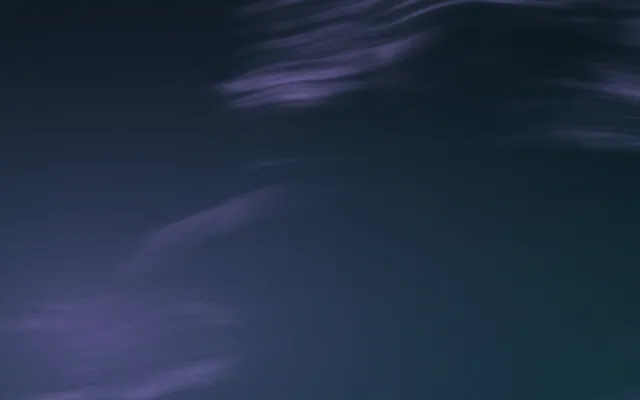
Full upload (TV)
2560 × 1440
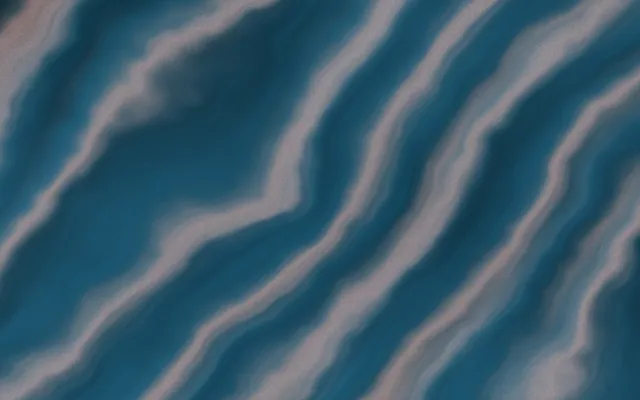
Desktop strip
2560 × 423
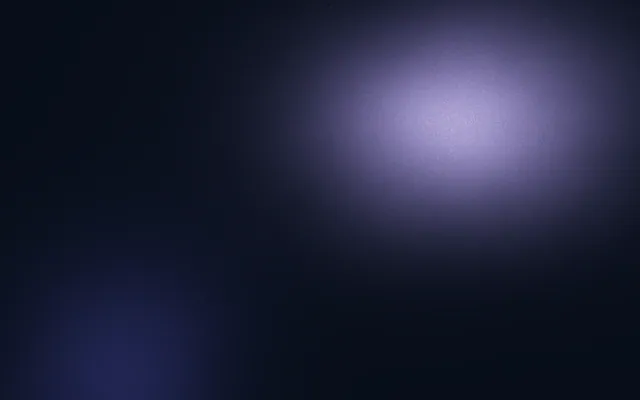
Safe area (all devices)
1546 × 423
The YouTube banner safe area, in pixels
Set guides at these positions on a 2560×1440 canvas before you design anything. Everything important goes inside the inner box; the desktop strip is the band between the top and bottom guides.
Canvas            2560 x 1440

Safe area         1546 x 423, centred
  left edge       x = 507
  right edge      x = 2053
  top edge        y = 508
  bottom edge     y = 931

Desktop strip     full width, y = 508 to 931
Television the whole canvasHow to lay out a YouTube banner
- 1
Start at 2560×1440
Upload at full size so the television view stays sharp. A smaller image is scaled up and looks soft.
- 2
Draw the safe area
Add the guides above. Your channel name, logo, schedule or tagline all live inside that 1546×423 box.
- 3
Fill the desktop strip
The band from left to right edge at the same height as the safe area is what most desktop visitors see. Extend the background across it; avoid placing anything that looks cut off at the edges of the safe area.
- 4
Treat the rest as backdrop
Above and below the strip is only seen on television. Continue the background there so the image feels complete, but put no information in it.
- 5
Check every view
Preview on a phone, a laptop and, if you can, a television. YouTube also shows a device preview when you upload.
Channel art with the words in the centre, where every device shows them, and the background filling the rest for larger screens.
What to put on your YouTube banner
The safe area is small, so choose one or two of these rather than all of them.
- The channel name or logo, if it isn't obvious from your profile picture.
- What the channel is about, in a few words: "Pottery for beginners" says more than a slogan.
- When new videos arrive, such as "New films every Thursday", which gives visitors a reason to subscribe.
- Something current, like a course, a book or a live event, changed when it ends.
Common YouTube banner mistakes
Avoid
- Text near the left or right of the desktop strip, which phones cut off
- A logo in a corner, which only televisions show
- Small type that only reads on a desktop
- A photo whose subject sits above or below the strip
- A different look from your thumbnails
Do
- All words and logos inside the 1546×423 safe area
- A background that extends smoothly across the whole canvas
- One line, large enough to read on a phone
- Subjects placed in the central band
- The same colours and material as your thumbnails
Gradients and textures are well suited to channel art, because they extend naturally to any width without an obvious edge. A photo has to be composed carefully so its subject lands in the central band; a gradient simply continues. How to make a gradient background shows how to build one that doesn't look generic.
Match your banner to your thumbnails
Visitors usually arrive at your channel from a video. If the banner shares the look of the thumbnails they just clicked, the channel feels like one place. Use the same background, type and colours on both. YouTube thumbnail size covers the other half, and creator branding the bigger picture. If you stream too, stream backgrounds should wear the same look.
Gradiently includes YouTube channel art, thumbnails and Shorts covers as built-in sizes. Copy to sizes lays one design out again for each, and a Mark renders at full resolution for every shape, so the banner and the thumbnails share one look without stretching.
Spørgsmål, folk stiller
What is the YouTube banner size?
2560×1440 pixels, a 16:9 image, uploaded as your channel art.
What is the YouTube banner safe area?
A 1546×423 pixel area in the centre of the 2560×1440 image. It is the only part shown on every device, so text and logos must sit inside it.
Why is my YouTube banner cut off on mobile?
Phones show only the central 1546×423 area. Anything outside it, including text near the sides of the desktop strip, is hidden.
What does a YouTube banner look like on TV?
Televisions show the full 2560×1440 image as a backdrop, so the areas above and below the desktop strip should continue the background.
Is a gradient a good background for a YouTube banner?
Yes. A gradient or texture extends naturally across the full 2560 pixel width and the television view, with no subject that can be cut off by a crop.
Should my YouTube banner match my thumbnails?
Yes. Sharing the same background, type and colours makes the channel recognisable to people arriving from a video.
Skrevet af Gradiently
Holdet bag Gradiently, et designværktøj bygget om Marks: levende gradienter, der får alt, du designer, til at ligne dig.
Se vores profil